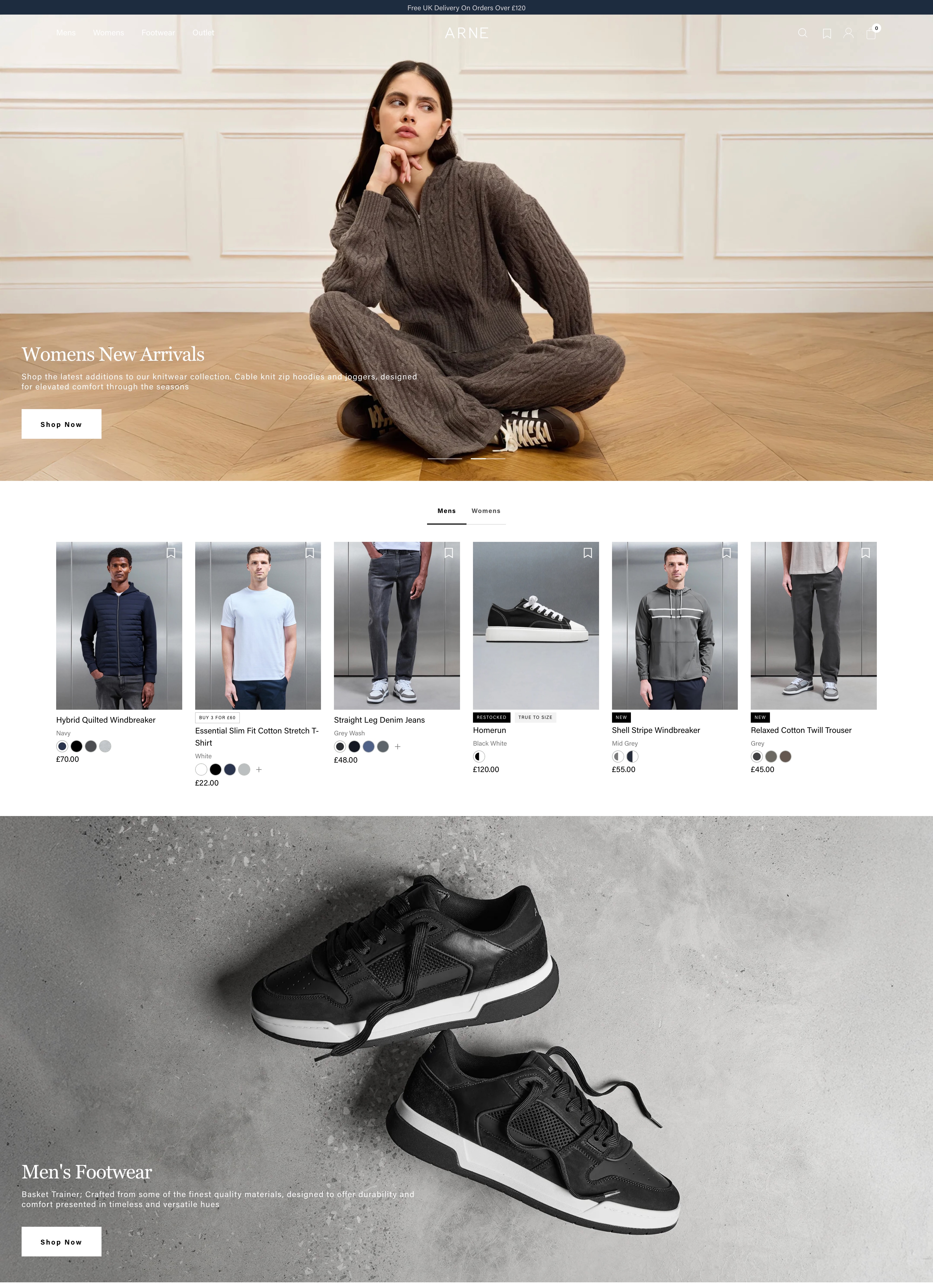
Arne storefront introduction
Shopify Plus Fashion UK

Arne

Shopify Plus Engineering for High-Volume Commerce

Executive Overview

Arne is a UK multi-8-figure fashion brand operating a high-volume Shopify storefront processing continuous merchandising updates and campaign launches. The engagement focused on strengthening core commerce infrastructure so new features, campaigns, and merchandising updates could ship at pace without destabilising conversion-critical journeys.

Arne storefront detail
I led Shopify implementation ownership across architecture, scoped delivery, QA hardening, and production readiness, with a focus on preserving revenue paths while enabling faster iteration.
Role Lead Shopify implementation owner
Focus Theme systems, conversion safety, integration-aware delivery
Outcome Safer releases and stronger delivery velocity during live trading
Operating Context Multi-8-figure live trading: theme architecture, app/CMS workflows, checkout-adjacent behaviour

Core Challenge

Deliver change safely in an integration-heavy, always-on storefront.

The environment was integration-heavy and live-trading: theme logic, app behaviour, merchandising rules, bundle logic, and checkout-adjacent flows were tightly coupled, creating high regression risk with every release. The challenge was to deliver change safely under commercial constraints while protecting variant reliability, offer logic, and conversion-path continuity across PLP, PDP, cart, and purchase journeys.

  • Every release had to protect browse-to-buy reliability when theme, app, and merchandising layers moved together.
  • Variant and offer-state behaviour had to stay predictable across collection, product, cart, and checkout-adjacent flows.
  • Campaign and merchandising velocity could not depend on brittle, one-off theme logic.
  • Work had to stay coherent across theme, app, CMS, and experimentation surfaces without trading away conversion stability.
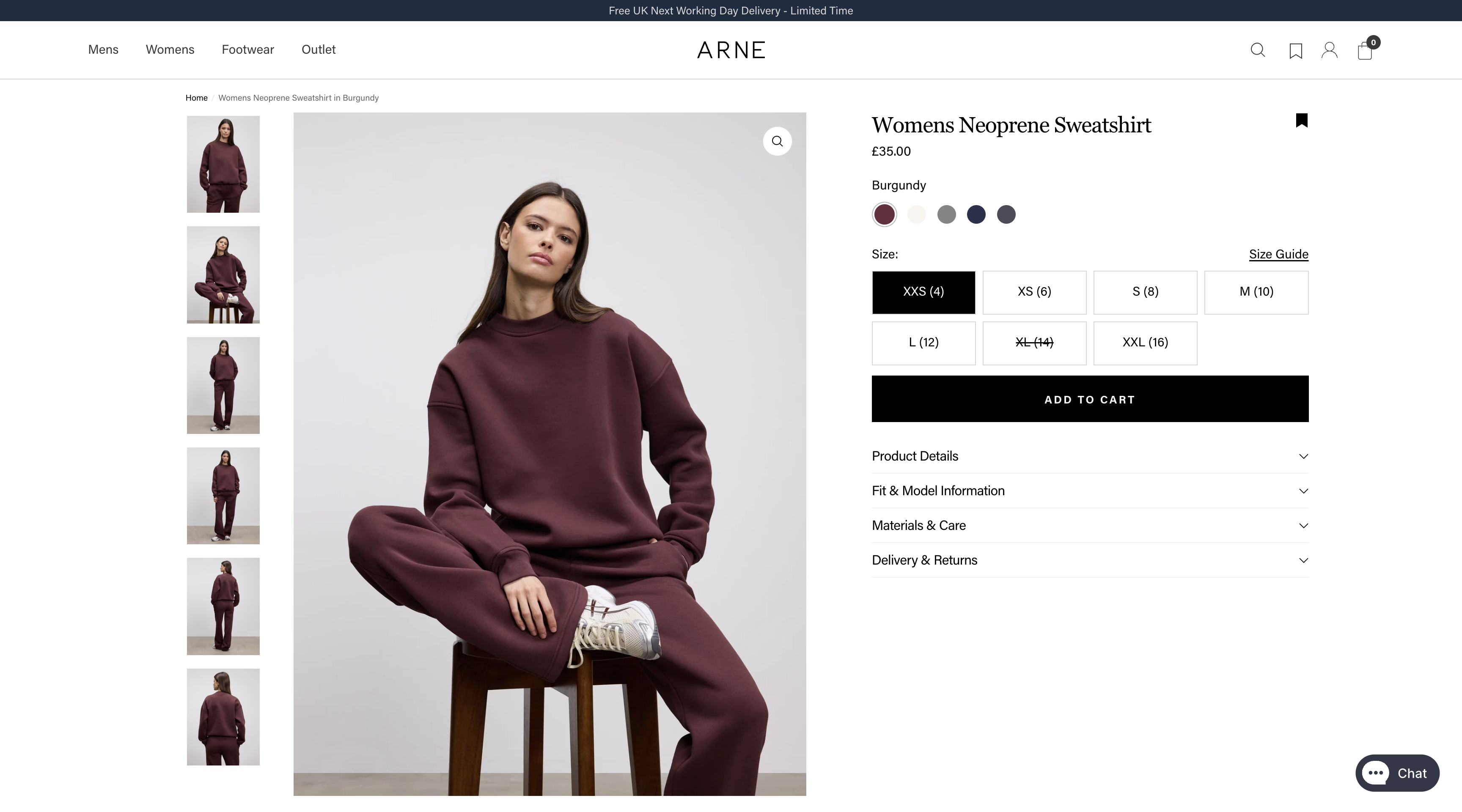
Arne product detail page

My role and operating context

My role and ownership

I acted as the lead Shopify implementation owner across theme and platform-facing development. Ownership covered technical scoping, architectural decision-making, implementation, QA hardening, and production readiness across Liquid, frontend interaction logic, app/CMS integrations, and checkout function behaviour.

Operating context

This engagement was delivered inside a multi-8-figure live-trading environment with continuous release pressure. Ownership covered conversion-critical storefront systems across theme architecture, app/CMS-connected workflows, and checkout function behaviour.

Architectural contributions

What the work covered

Delivery spanned theme architecture, integration-aware frontend work, checkout and conversion-path hardening, and performance-aware decisions aimed at roadmap velocity rather than short-term patching.

01

Commerce journey reliability

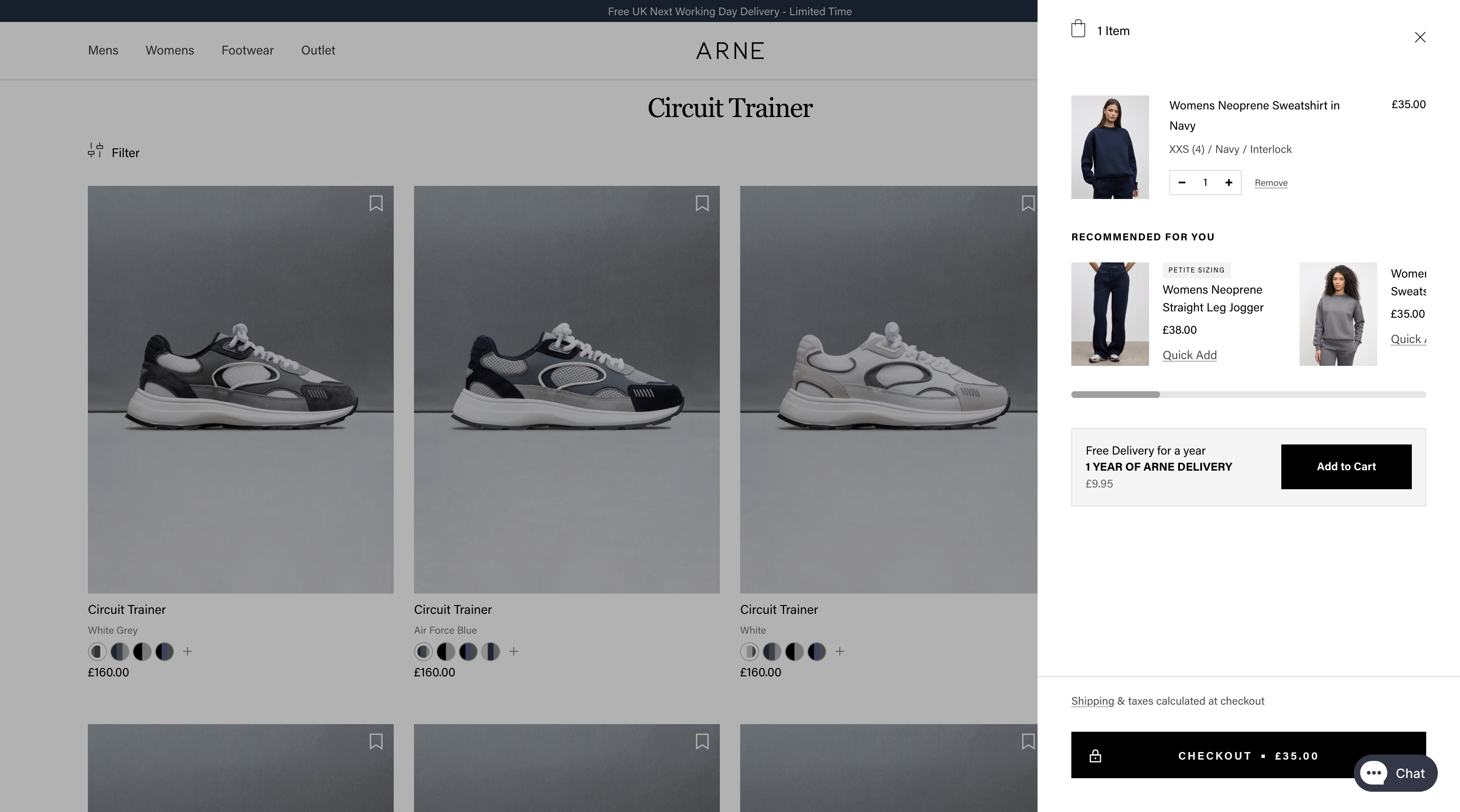
  • Hardened browse-to-buy behaviour across PLP, PDP, offer flows, and cart; addressed variant-state inconsistencies and modal instability that had introduced friction.
  • Stabilised back-in-stock and promotional offer logic so behaviour stayed predictable under real customer journeys and merchandising updates.

02

Merchandising and content infrastructure

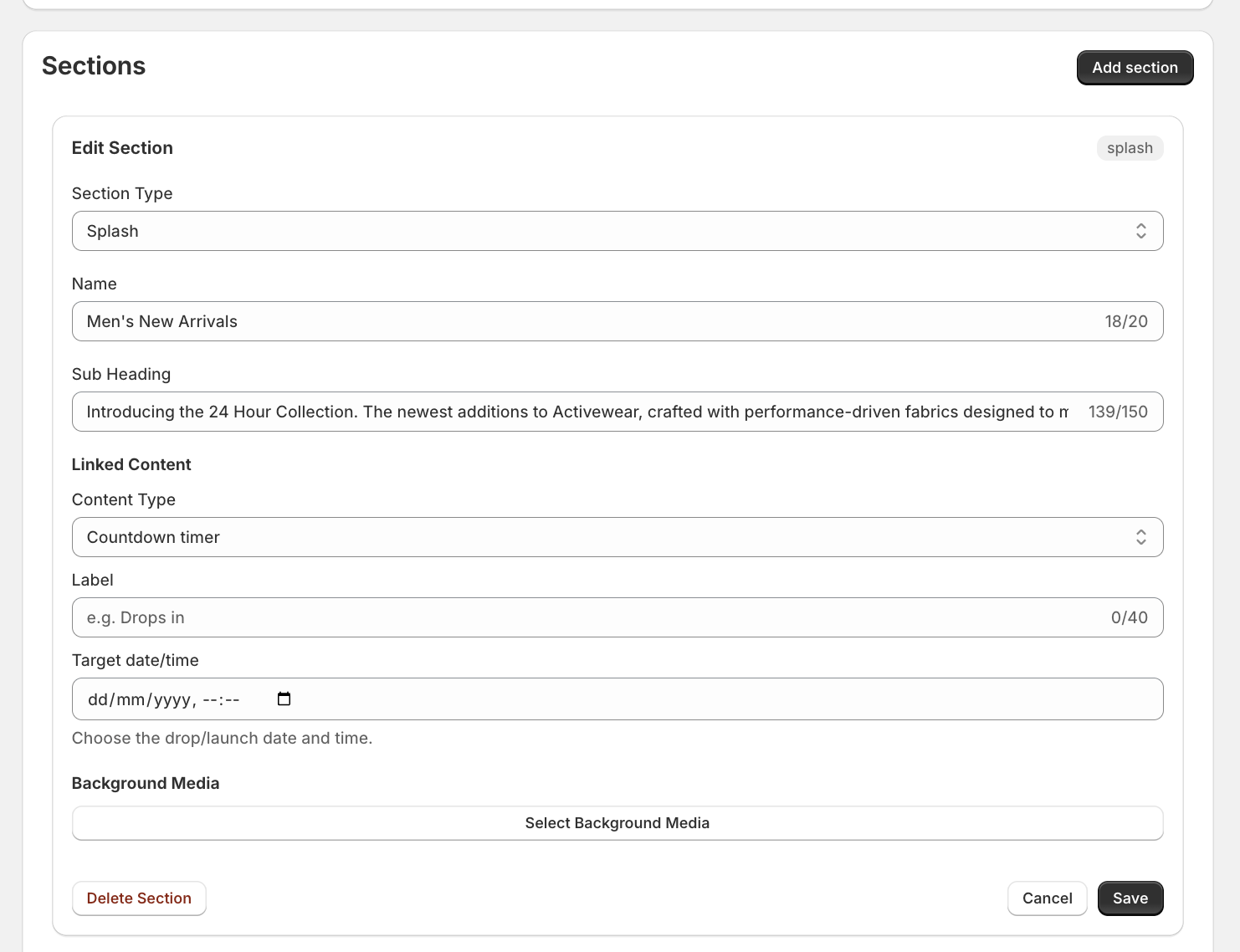
  • Expanded reusable section and template capability for faster campaign and product storytelling.
  • Delivered high-fidelity design-to-code work without compromising editor usability or maintainability.

03

Integration-aware delivery

  • Shopify app and CMS integration work aligned with mobile-app commerce workflows and cross-surface behavioural consistency.
  • Checkout function logic to support evolving commercial rules without introducing theme-layer fragility.

04

Performance and release safety

  • Targeted asset and template-level optimisations across key commerce surfaces.
  • Release-safe implementation choices and architectural discipline to protect conversion stability during rapid iteration.
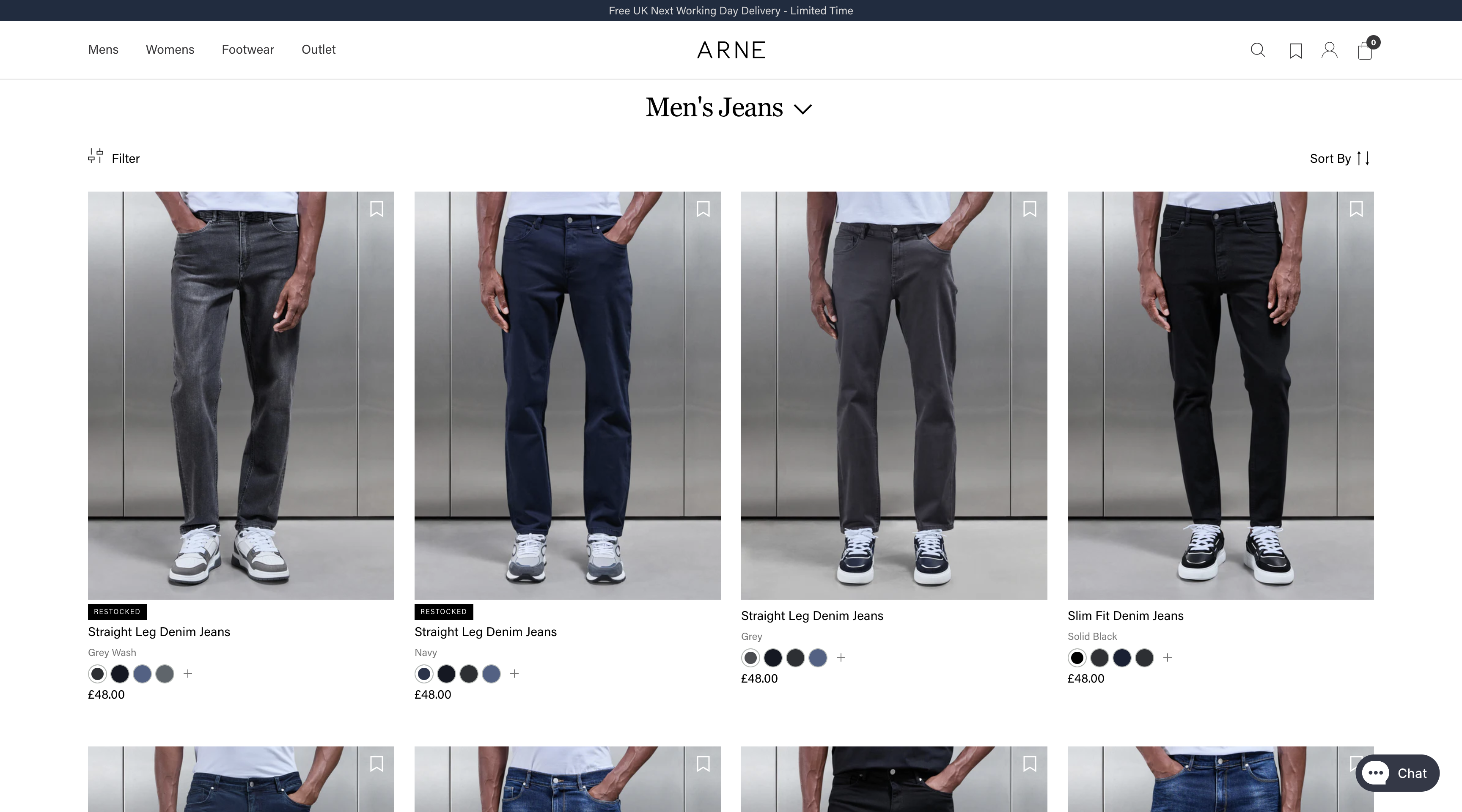
Arne mens jeans collection page
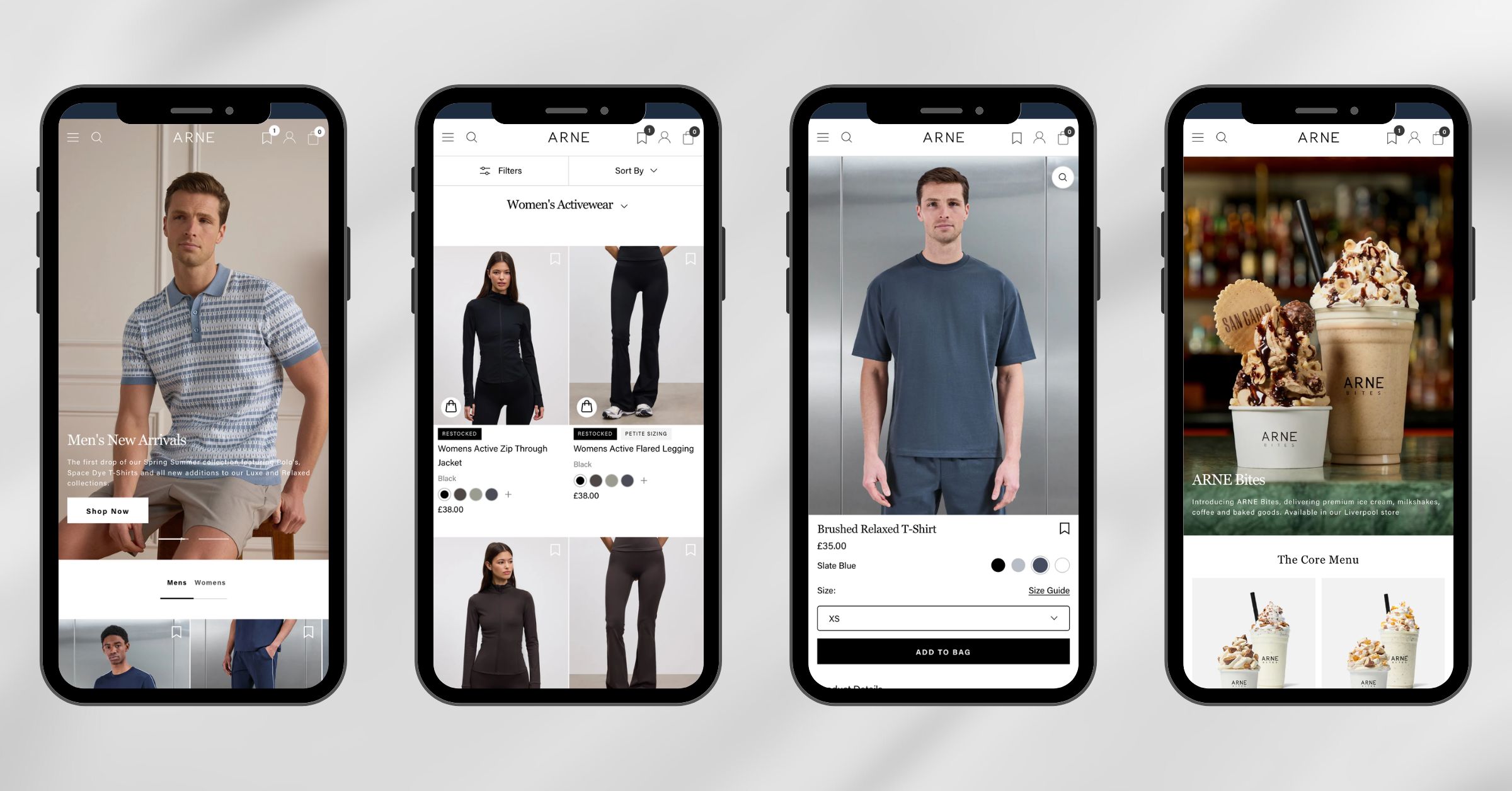
Arne mobile app: home, collection, product, and ARNE Bites screens

Business outcome

A more resilient commerce system built for continued growth.

The outcome was a more resilient commerce system: stable conversion paths under continuous iteration, safer releases during high-volume merchandising cycles, and improved internal delivery velocity. The engagement strengthened revenue-critical infrastructure rather than introducing isolated features.

Why this matters

High-growth Shopify brands need engineering ownership that protects revenue-critical journeys while enabling speed. This engagement reflects Shopify Plus–level work: systems thinking, integration awareness, checkout and variant reliability, experimentation readiness, and disciplined execution in live commercial environments.

01

Faster iteration

Better structure for campaign, merchandising, and product-storytelling delivery.

02

Safer releases

Reduced risk around offer logic, variant state, and integrated storefront behaviour.

03

Longer-term maintainability

Implementation decisions designed to support scaling rather than create future cleanup work.